Understanding Mennonite Doctrine
Mennonite doctrine represents a rich and intricate tapestry of beliefs that have evolved over centuries, shaped by historical, cultural, and spiritual influences. Rooted in the Anabaptist tradition of the 16th century, this doctrine emphasizes themes such as pacifism, community, and a commitment to living out one's faith practically in everyday life. For those engaging with the complexities of mennonite doctrine, understanding its historical context is essential for appreciating how it informs contemporary practices and beliefs.
Historical Background of Mennonite Beliefs
The origins of Mennonite beliefs can be traced back to the Radical Reformation in 16th century Europe, a movement that sought to return to the teachings of Jesus and live according to the New Testament. Early Mennonites, led by figures such as Menno Simons, championed the idea of believer's baptism and a separation from the state, emphasizing the importance of a personal faith experience. As they faced persecution across Europe, these communities established a strong commitment to non-violence and communal living, ideals that continue to define Mennonite doctrine today.
Core Principles and Values of Mennonite Doctrine
At the heart of Mennonite doctrine are several core principles that guide the lives of its adherents. These include:
- Peace and Non-violence: Mennonites are known for their commitment to peace, which stems from Jesus’ teachings to love one’s enemies.
- Community and Fellowship: A strong emphasis is placed on community life, encouraging mutual aid and support among members.
- Simplicity: Mennonites advocate for a simple lifestyle that promotes spiritual richness over material wealth.
- Service and Mission: Many Mennonites engage in social justice efforts, emphasizing love and service to others as a demonstration of their faith.
Comparison with Other Christian Doctrines
While Mennonite doctrine shares some similarities with other Christian beliefs, there are distinct differences that set it apart, particularly in its approach to ethical issues, the role of the church, and individual vs communal identity. For instance, unlike many mainstream Christian denominations that support the use of force for national defense, Mennonites maintain a strict stance on pacifism. Furthermore, the highly communal nature of Mennonite worship and decision-making contrasts sharply with more individualistic approaches found in Protestantism.
The Role of Community in Mennonite Beliefs
Community forms the bedrock of Mennonite lifestyle and worship, shaping not only religious practices but also social structures and family life. This collective ethos is vital in understanding how Mennonites navigate both spiritual and everyday challenges.
Importance of Fellowship and Worship
Mennonite congregational life is characterized by a strong sense of fellowship. Worship services often include communal singing, shared prayer, and the reading of scripture, fostering an environment of shared faith. The participation of each member is encouraged, reflecting the belief that everyone has a role in the body of Christ. Such shared experiences reinforce bonds within the community and provide spiritual growth opportunities.
Community Practices and Their Spiritual Significance
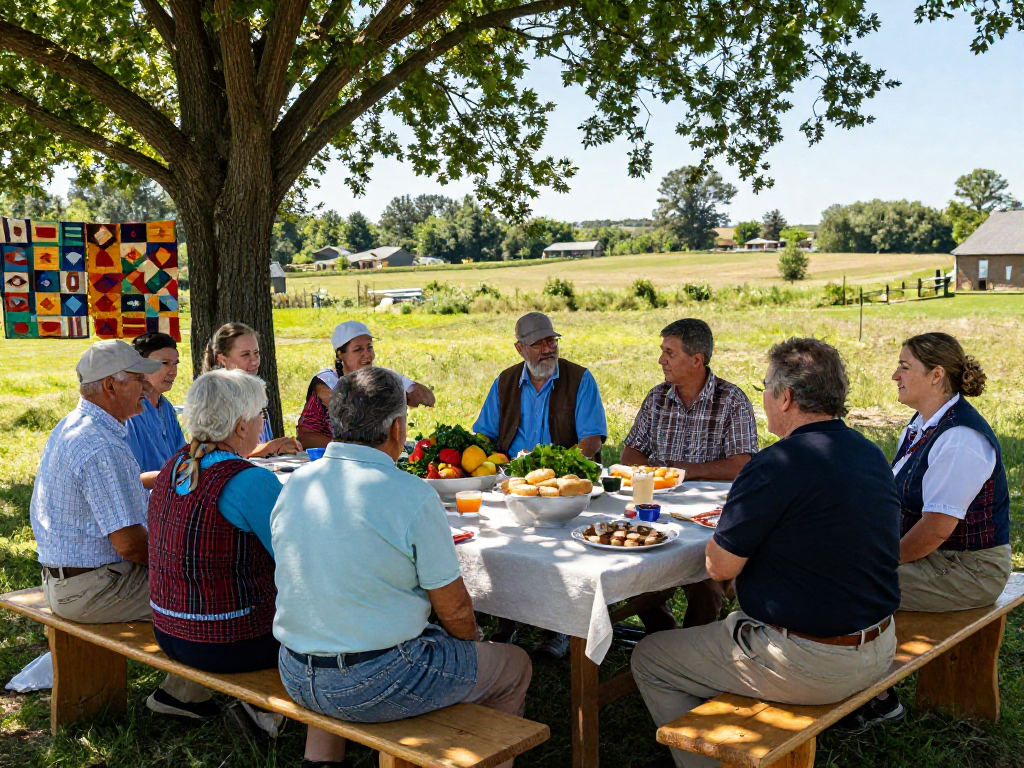
Central to Mennonite life are various communal practices, such as potlucks, work bees, and service projects. These gatherings not only provide nourishment but also serve as a means for members to connect and support one another. The act of working side by side in service is seen as a reflection of God’s love and a practical expression of faith.
Impact on Family Life and Social Structures
Mennonite families typically emphasize values such as cooperation, mutual support, and a strong work ethic. Family life is often intertwined with community life, as extended family and friends participate in milestones such as births, weddings, and funerals together. This interconnectedness fosters a network of support that helps families navigate the complexities of modern life.
Current Trends and Developments in Mennonite Doctrine
As the world evolves, so too do the challenges and opportunities faced by Mennonite communities. Understanding these modern developments is crucial for grasping the current landscape of Mennonite doctrine and its future implications.
Modern Challenges Facing Mennonite Communities
Today, Mennonite communities grapple with numerous challenges, including cultural assimilation, declining membership, and the need to address social justice issues in a rapidly changing world. Many younger members feel pulled between traditional values and contemporary societal norms, leading to a reevaluation of practices and beliefs.
Adapting Doctrine to Contemporary Issues
In response to modern challenges, some Mennonite congregations and organizations are reexamining their teachings and practices. Topics such as climate change, inclusivity, and mental health are increasingly being integrated into discussions around doctrine, reflecting a broader understanding of how faith intersects with contemporary life.
Case Studies of Innovative Mennonite Practices
Innovative practices are emerging within some Mennonite communities, focusing on social justice and environmental stewardship. For instance, community-supported agriculture programs are being adopted to promote sustainable food practices and support local farmers, demonstrating a commitment to both faith-based principles and community well-being.
The Global Influence of Mennonite Doctrine
Mennonite doctrine extends far beyond North America, influencing social movements and contributing to peace efforts worldwide. This global perspective underscores the relevance of Mennonite beliefs in various cultural contexts.
Mennonite Contributions to Social Justice and Peace
Mennonites have a rich history of involvement in social justice movements, advocating for issues like racial equality, refugees' rights, and poverty alleviation. Organizations such as Mennonite Central Committee work globally to provide aid and promote peace, demonstrating the practical application of Mennonite doctrine.
Mennonite Presence in Different Cultures
As missionary efforts spread Mennonite beliefs to diverse cultures, adaptations of doctrine have occurred. For example, in Latin America, Mennonite communities have developed their unique expressions of faith, incorporating local traditions into worship while maintaining core values such as community and service.
Global Movements Inspired by Mennonite Values
The principles inherent in Mennonite doctrine—particularly non-violence and community service—have inspired various global movements. Initiatives focused on peacebuilding and conflict resolution often draw upon Mennonite experiences in addressing violence and fostering reconciliation.
Looking Ahead: The Future of Mennonite Doctrine
As we look toward 2026 and beyond, the future of Mennonite doctrine will likely be shaped by both internal reflections and external pressures, offering a unique lens through which to view the evolution of faith practices.
Predictions for Mennonite Beliefs in 2026 and Beyond
Experts predict that Mennonite doctrine will continue to evolve, increasingly emphasizing social justice and environmental issues. This shift may attract younger generations who seek a faith that resonates with their values, leading to a revitalization of congregational life.
Emerging Leaders and Their Vision for the Future
New leaders within Mennonite communities are emerging, often with progressive visions that align closely with contemporary social movements. These leaders are not only addressing the needs of their communities but also challenging traditional norms, advocating for inclusivity and change.
How Technology is Shaping Mennonite Practices
Technology is playing an increasingly vital role in the Mennonite faith, from virtual worship services to social media outreach. While some traditionalists may view technology with skepticism, many congregations are utilizing digital tools to foster community and enhance their outreach efforts.
What are the core principles of Mennonite doctrine?
The core principles of Mennonite doctrine include a commitment to peace, community, simplicity, and service, all grounded in a strong belief in the teachings of Jesus.
How does Mennonite doctrine compare to other Christian beliefs?
Mennonite doctrine distinguishes itself through a strict adherence to pacifism, communal decision-making, and an emphasis on living out faith through practical service.
What challenges are modern Mennonite communities facing?
Modern Mennonite communities face challenges such as cultural assimilation, declining membership, and the need to address contemporary social issues within their doctrine.
What role does community play in Mennonite lifestyle?
Community is central to the Mennonite lifestyle, influencing worship practices, family structures, and social support systems, fostering a deep sense of fellowship among members.
How is technology affecting Mennonite practices?
Technology is reshaping Mennonite practices by facilitating virtual connections and outreach, while also presenting challenges to traditional communal living values.