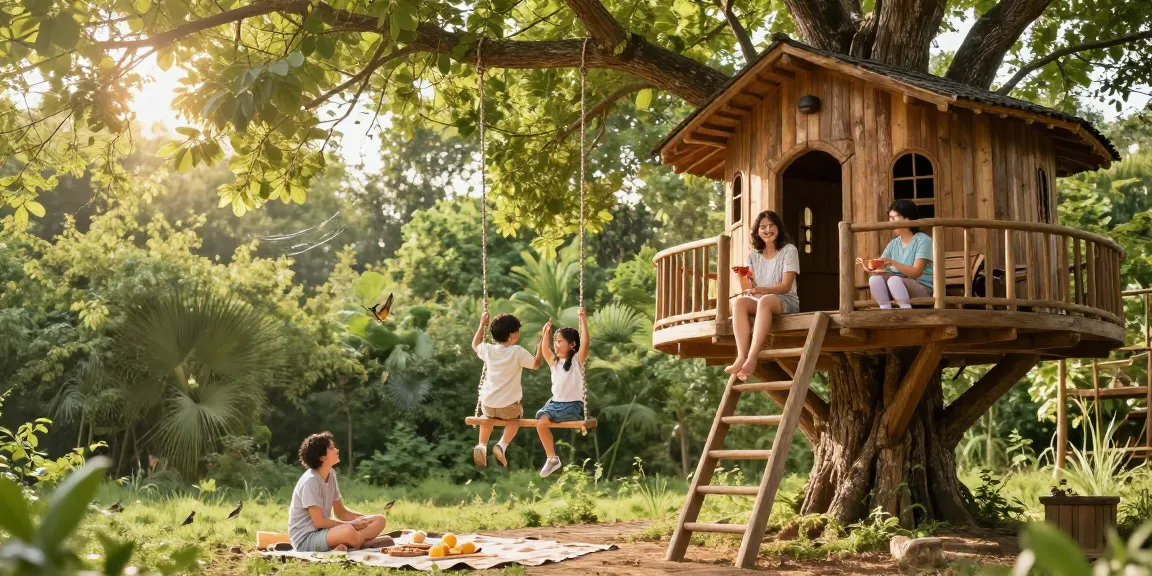
Understanding Treehouses: A Comprehensive Overview
Treehouses have long captivated the imaginations of both children and adults. They evoke a sense of adventure, creativity, and connection to nature. As a remarkable blend of architecture and play, treehouses offer a unique retreat from the hustle and bustle of everyday life. With the growing popularity of eco-friendly living and alternative accommodations, treehouses are becoming increasingly appealing as sustainable and serene spaces for relaxation, adventure, and even a touch of luxury.
What Are Treehouses and Their Historical Significance?
Historically, treehouses can be traced back to ancient societies that sought refuge in trees for protection against predators and the elements. They evolved from simple structures used for safety to elaborate hideaways and gathering spots. In modern times, treehouses have transitioned into versatile spaces serving various purposes, from children's play areas to luxurious getaway lodgings. Today, the concept of a treehouse is no longer confined to children; adults are increasingly drawn to these elevated retreats for peace and solitude.
The Environmental Benefits of Treehouses
Treehouses not only provide a stunning connection to nature but also promote eco-friendly practices. By building within the canopies of trees, they offer minimal disruption to the surrounding ecosystem. Treehouses can be designed to utilise sustainable materials, such as reclaimed wood and non-toxic finishes, thereby reducing their carbon footprint. Furthermore, they encourage a lifestyle that is more connected to the environment, inspiring occupants to appreciate and protect the natural world around them.
Different Types of Treehouses: From Rustic to Luxury
Treehouses come in many forms, catering to diverse tastes and preferences. The most common categories include:
- Rustic Treehouses: Typically constructed using natural materials, these treehouses blend seamlessly into their surroundings and often feature simple, functional designs.
- Luxury Treehouses: Equipped with modern amenities and elegant interiors, luxury treehouses offer a unique combination of comfort and adventure. They often include features like full kitchens, bathrooms, and stunning views, making them perfect for romantic getaways.
- Children’s Treehouses: These are often designed for play, featuring slides, swings, and creative designs that ignite the imaginations of young adventurers.
- Event or Retreat Treehouses: Used for group gatherings, these larger structures can host workshops, team-building events, or family reunions amidst the treetops.
Planning Your Treehouse Project: Step-by-Step Guide
Creating your own treehouse is an exciting project that will require careful planning and consideration. There are several key steps to follow to ensure not only your vision is realised but also that safety and sustainability are prioritised.
Evolving Your Idea: Conceptualising the Perfect Treehouse
The first step in planning your treehouse is to conceptualise your vision. Consider factors such as the purpose of the treehouse, desired features, and aesthetics. Sketching your ideas can help to visualise your project better. Think about the specific atmosphere you wish to create, whether it’s a playful hideaway for children, a serene escape for adults, or a multifunctional space that serves various needs.
Choosing the Right Location and Tree Type
The location of your treehouse is crucial. Look for a tree that is healthy, sturdy, and capable of supporting the structure's weight. Common choices include oak and fir trees, known for their durability and strength. Additionally, consider factors such as sunlight exposure, privacy, and accessibility when determining the perfect spot for your treehouse.
Essential Tools and Materials for Building
Building your treehouse requires a selection of tools and materials. Some essential items include:
- Wood (pressure-treated timber or cedar for longevity)
- Hardware (screws, bolts, brackets for structural integrity)
- Tools (saw, drill, measuring tape, ladder)
- Finishing materials (weatherproof paint, varnish)
Ensure you have all necessary safety equipment, including gloves, goggles, and a hard hat, to protect yourself during construction.
Designing a Treehouse: Creativity Meets Functionality
Once your planning is complete, the next step is to design your treehouse. This is where your creativity can shine, transforming your idea into a functional space.
Incorporating Sustainable Practices in Design
Sustainable design practices are essential for creating an eco-friendly treehouse. Utilize locally sourced materials to reduce transportation emissions, and consider building with reclaimed wood. Designing your treehouse with solar panels can also provide renewable energy, making it more self-sufficient and minimizing its environmental impact.
Interior Design Tips for a Cozy Treehouse
The interior of your treehouse should reflect comfort and style. Opt for natural materials and colours that complement the surrounding environment. Incorporate comfortable seating, a small kitchenette, and perhaps a reading nook to enhance the inviting atmosphere. Adding personal touches, such as artwork or decorations made from natural elements, can make the space uniquely yours.
Roofing and Safety Features to Consider
Your treehouse’s roof is its first line of defence against the elements. Consider using durable materials that offer insulation and weatherproofing, such as shingles or metal roofing. Safety features are also paramount; ensure guardrails are installed on all balconies and stairs, and consider using non-slip materials on walkways.
Building Your Treehouse: Construction Best Practices
When it comes to constructing your treehouse, following best practices ensures longevity and safety. Here’s a guide to making your treehouse building journey smooth and successful.
DIY vs Professional Builders: Pros and Cons
A key decision to make is whether to tackle the project yourself or hire professionals. DIY builds can be more personal and cost-effective, allowing for creativity and a hands-on experience. However, professional builders bring expertise, ensuring structural integrity and adherence to safety standards. Consider your skills, budget, and the complexity of your design when making this decision.
Step-by-Step Construction Process
The construction process typically involves several stages:
- Building the Platform: Start with a sturdy platform, ensuring it is level and securely anchored to the tree.
- Constructing the Walls: Frame the walls and ensure they are well supported with cross-bracing.
- Adding the Roof: Install roofing materials to provide shelter from the rain and sun.
- Finishing Touches: Add windows, doors, and any desired features such as balconies or ladders.
Common Pitfalls and How to Avoid Them
One common mistake is underestimating the weight capacity of the tree. Always consult with professionals or conduct thorough research to determine the best practices for your specific tree type. Additionally, neglecting local building codes can lead to complications, so ensure you check regulations before commencing your project.
Enjoying Your Treehouse: Tips for Ultimate Relaxation
After all the hard work, it’s essential to enjoy your treehouse to the fullest. Here are some ideas to help you relax and unwind in your treetop retreat.
Activities to Enjoy in Your Treehouse Retreat
Your treehouse can serve as a venue for various activities. Consider creating a space for meditation, yoga, or simply enjoying a book amidst the trees. You might also set up a small outdoor dining area for meals under the stars or a hammock for lazy afternoons.
Outdoor Decor Tips for Treehouse Ambiance
To enhance the atmosphere of your treehouse, consider incorporating outdoor decor elements. String lights can create a magical ambience during the evenings, while potted plants add a touch of greenery. Weather-resistant cushions and throws can enhance comfort and style.
Maintaining Your Treehouse for Long-lasting Enjoyment
Regular maintenance is vital for the longevity of your treehouse. Inspect the structure yearly for any signs of wear or damage, particularly after severe weather events. Cleaning and treating wooden surfaces will help prevent rot and pest issues, ensuring your treetop getaway remains a delightful retreat for years to come.
How much money does it cost to build a treehouse?
The cost of building a treehouse can vary significantly based on size, design, and materials. On average, simple DIY projects can range from £1,000 to £5,000, while more elaborate models created by professionals may soar above £10,000.
Is it legal to build a treehouse in your backyard?
Regulations concerning treehouses differ from one location to another. Before starting construction, it’s wise to check local zoning laws and building codes, as some areas may require permits.
How long do treehouses last?
With appropriate maintenance and quality craftsmanship, a well-built treehouse can last 10-30 years. Using treated wood and weatherproof materials can extend its lifespan significantly.
What is the best tree house ever?
The definition of the 'best' treehouse can vary based on individual tastes. However, renowned structures like the TreeHouse Point in Washington and the Out N About Treesort in Oregon are often celebrated for their breathtaking designs and unique offerings.