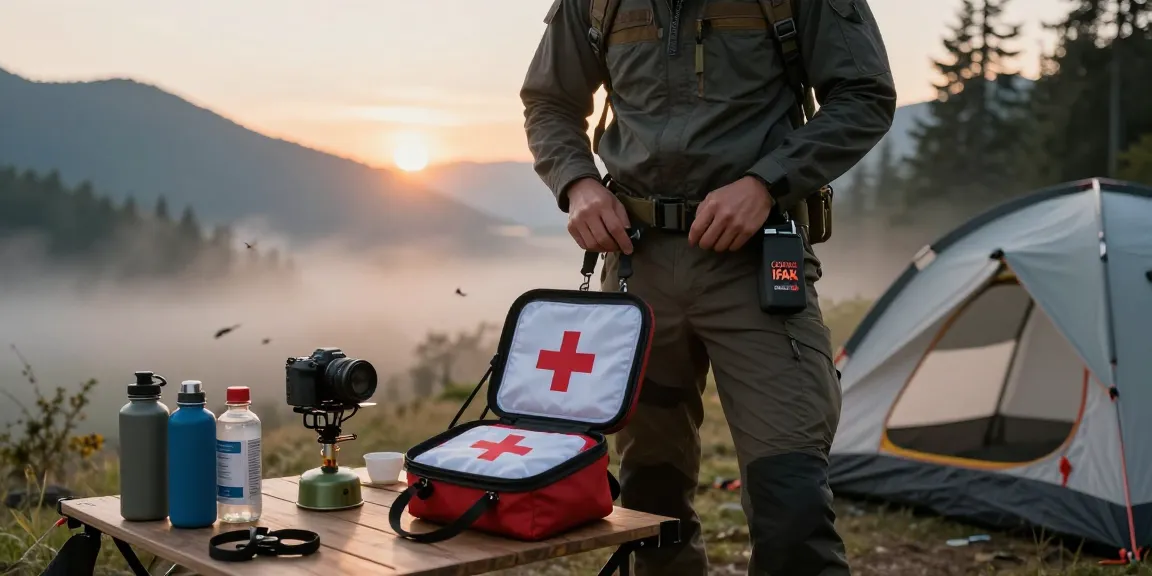
Understanding the Compact IFAK: What Makes It Essential?
In today's world, where outdoor activities and emergency response considerations are on the rise, having the right gear can be vital. Enter the Compact Individual First Aid Kit (IFAK) — a crucial addition for adventurers, first responders, and anyone who values preparedness. The Compact IFAK is designed to provide immediate medical assistance when it’s most needed, ensuring that you can address injuries swiftly, no matter where you are. When exploring options, Compact IFAK offers various solutions tailored to your specific needs.
Defining the Compact IFAK and Its Purpose
The Compact IFAK is a crucial first aid resource designed to be lightweight and portable while containing essential medical supplies. Unlike standard first aid kits that can be bulky and contain an overwhelming amount of items, the Compact IFAK focuses on high-priority tools that can effectively address severe injuries with speed and efficiency. Its primary purpose is to provide life-saving interventions in emergency situations, particularly in remote areas where professional medical assistance may take time to arrive.
Key Features of a High-Quality Compact IFAK
When searching for a high-quality Compact IFAK, consider the following key features:
- Durability: Look for water-resistant and tear-resistant materials that can withstand rugged outdoor conditions.
- Modular Design: A good IFAK should allow for easy customization and organization of supplies.
- Accessibility: Supplies should be easy to reach and retrieve quickly in a crisis.
- Lightweight: The IFAK should be compact enough to carry on hikes or other excursions without adding significant weight.
Common Misconceptions About IFAKs
Many people believe that IFAK kits are only beneficial for medical professionals or military personnel. However, this misconception can be problematic. In reality, anyone engaging in outdoor activities or traveling should appreciate the value of having a Compact IFAK. These kits empower everyday individuals to respond effectively to emergencies, ultimately saving lives through informed action.
Choosing the Right Compact IFAK for Your Needs
Assessing Your Outdoor Activities and Risks
Not every outdoor experience is the same, which necessitates an evaluation of your specific activities and the risks involved. Whether you are hiking, camping, biking, or engaging in water sports, understanding potential hazards is essential for selecting a Compact IFAK that meets your needs. For instance, a mountain biker may require equipment for treating fractures or abrasions, while a hiker may prioritize supplies for animal bites or allergic reactions.
Comparison of Popular Compact IFAK Brands
Several brands dominate the market for Compact IFAKs, each with unique offerings. Brands like North American Rescue, Adventure Medical Kits, and Flaresyn are known for their high-quality products. It’s essential to compare features, prices, and customer reviews to determine which Compact IFAK aligns with your needs. Additionally, consider the specific contents of each kit—some may focus more on trauma supplies, while others include a broader range of general first-aid items.
Personalization: Tailoring Your IFAK Contents
One of the most significant advantages of a Compact IFAK is the ability to personalize its contents. Tailoring your kit to cater to specific needs—such as adding medications, allergy treatments, or specialized equipment—can significantly enhance its value. This personalization ensures that you are prepared for scenarios that align with your activities and health requirements.
Essential Components of a Fully Equipped Compact IFAK
Basic First Aid Supplies to Include
A well-rounded Compact IFAK should contain basic supplies, including:
- Adhesive bandages of various sizes
- Gauze pads and adhesive tape
- Antiseptic wipes or solution
- Tweezers and scissors
- Disposable gloves
Advanced Medical Items for Serious Situations
In addition to basic supplies, consider including advanced medical items for serious situations. These might comprise:
- Tourniquets
- Hemostatic agents for controlling bleeding
- Chest seals for treating open chest wounds
- Emergency blanket for hypothermia treatment
Periodic Reviews and Updates: Keeping Your IFAK Ready
It’s crucial to periodically review and update the contents of your Compact IFAK. Check expiration dates on medications and replace any used items after each excursion. Keeping your kit well-stocked and current can make a significant difference when it’s needed most.
Best Practices for Using Your Compact IFAK Effectively
Training Methods for Emergency Situations
Having a Compact IFAK is only part of the equation; knowing how to use it effectively is equally important. Consider taking first aid and CPR courses to understand the best practices for responding to medical emergencies. Many organizations, including the Red Cross and local health departments, offer training sessions tailored to outdoor safety and first aid.
Common Scenarios: When to Use Your IFAK
Understanding when to use your Compact IFAK will help you respond appropriately in critical situations. Common scenarios include:
- Severe cuts or lacerations
- Animal bites or stings
- Burns
- Allergic reactions
- Fractures or sprains
Integrating IFAK Use into Outdoor Adventures
To maximize the effectiveness of your Compact IFAK, integrate its use into your outdoor adventures. Practice accessing and using your kit during training sessions or drills. Familiarizing yourself with the items and their intended uses will enhance your confidence and readiness during actual emergencies.
The Future of Compact IFAK Design and Functionality
Emerging Trends in Outdoor Safety Gear for 2026
As we move towards 2026, outdoor safety gear, including Compact IFAKs, will likely see significant advancements. Innovations may include enhanced materials that are lighter, stronger, and more resistant to the elements. Additionally, technology integration — such as app connectivity for tracking contents or instructional support — could become commonplace.
Innovations in Compact IFAK Design
Future designs may offer modular systems, allowing users to customize their kits more easily based on the activity or location. Imagine a Compact IFAK that not only provides essential supplies but also incorporates smart features such as built-in first aid guides or smartphone compatibility.
Preparing for Future Challenges in Outdoor Safety
The landscape of outdoor safety is constantly changing. As new risks emerge — from natural disasters to evolving health concerns — it is critical to stay informed and adapt your Compact IFAK accordingly. Regularly updating your knowledge and skillset will prepare you to face future challenges head-on.
What is a Compact IFAK?
A Compact IFAK is a streamlined individual first aid kit designed for rapid response to injuries. It typically includes essential medical supplies tailored for emergencies, making it an essential tool for outdoor enthusiasts and professionals alike.
How to pack a Compact IFAK efficiently?
Efficiently packing your Compact IFAK involves organizing supplies by type and frequency of use, ensuring the most critical items are easily accessible. Use clear, labeled pouches to keep everything sorted and to facilitate quick retrieval during emergencies.
Where to store your Compact IFAK during excursions?
Store your Compact IFAK in a location that you can reach easily, whether it's in a backpack, a car glove compartment, or a pocket. The goal is to ensure it is readily available whenever needed, without hindering your movement or carrying capacity.
How often should you replace your Compact IFAK supplies?
Replace supplies in your Compact IFAK periodically, focusing on items that have expiration dates, such as medications and sterile dressings. After each use, assess what was consumed and replenish your stock to maintain readiness.
Can the Compact IFAK be customized for specific activities?
Absolutely! The beauty of a Compact IFAK lies in its customizable nature. Depending on your planned activities—be it hiking, climbing, or water sports—you can tailor the contents to address unique risks associated with each situation.