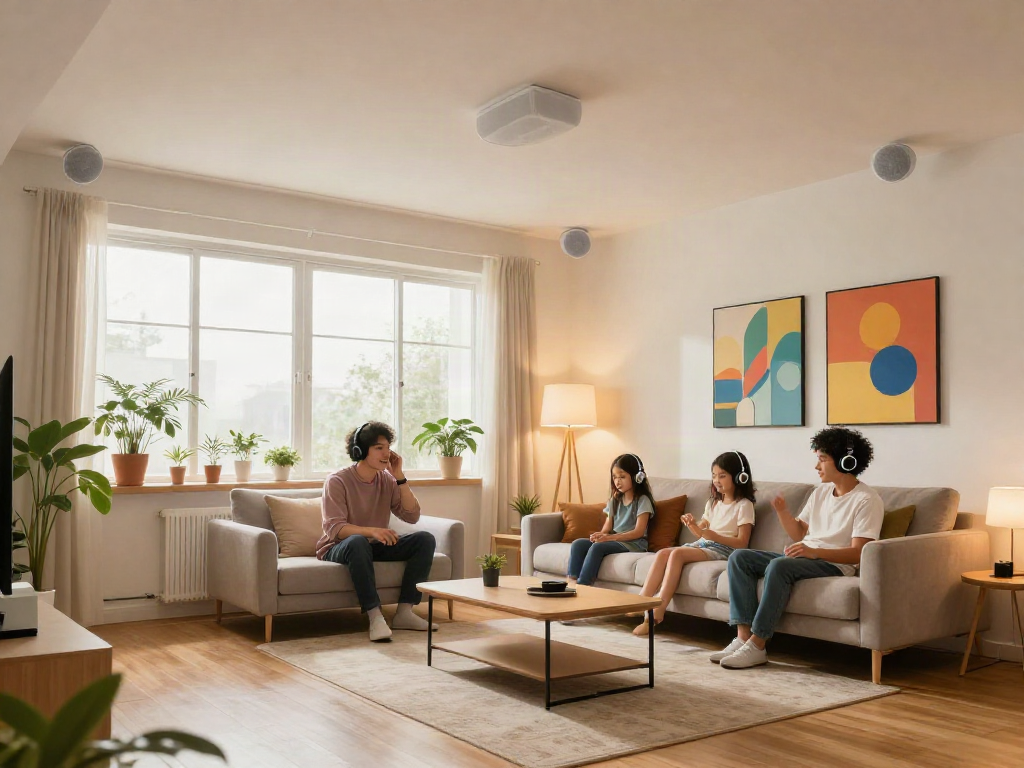
Understanding Ceiling Speakers: The Basics
Ceiling speakers have gained popularity among audiophiles and homeowners alike, offering a discreet yet powerful audio experience. They are designed to be mounted flush in the ceiling, allowing for a clean aesthetic while delivering high-quality sound. Whether you're setting up a home theater, creating a multi-room audio system, or simply enhancing your living space with music, understanding the fundamentals of ceiling speakers is crucial. When exploring options, خرید اسپیکر سقفی provides comprehensive insights into the features and varieties available.
What Are Ceiling Speakers?
Ceiling speakers, also known as in-ceiling speakers, are audio devices designed to be installed directly into the ceiling. They consist of a speaker driver encased in a shallow enclosure, which allows them to fit seamlessly into the overhead space. Typically, they are used in home environments for whole-home audio solutions or in commercial places for background music and announcements.
Benefits of Installing Ceiling Speakers
- Space-saving Design: Ceiling speakers take up zero floor space, making them ideal for smaller rooms or where furniture arrangement is a concern.
- Enhanced Aesthetics: They provide a cleaner look compared to traditional speakers, which can be bulky and visually obtrusive.
- Improved Sound Distribution: Properly installed ceiling speakers offer more even sound coverage, particularly beneficial in large areas.
- Easy Integration: Many ceiling speakers can be integrated with smart home systems, allowing for convenient control through apps or voice commands.
How Ceiling Speakers Differ from Traditional Speakers
Unlike traditional speakers that often stand alone or are mounted on walls, ceiling speakers are designed to be flush-mounted. This difference significantly affects the sound dispersion and installation process. Ceiling speakers typically provide a wider sound field and are strategically placed to minimize sound directionality, ensuring that audio can be enjoyed from various positions in the room.
Choosing the Right Ceiling Speaker for Your Needs
Factors to Consider When Purchasing Ceiling Speakers
Choosing the right ceiling speakers involves several critical factors:
- Room Size: Consider the dimensions of your space. Larger rooms may require higher wattage and larger speaker drivers for adequate sound quality.
- Sound Quality: Look for speakers with good frequency response, sensitivity, and overall sound reproduction quality.
- Installation: Determine whether you will install the speakers yourself or hire a professional. Some models require more complex installation than others.
- Design: Choose between round or square speakers, grille colors, and styles that fit your home decor.
Wattage, Size, and Sound Quality Explained
The wattage of a speaker indicates how much power it can handle. For typical home environments, ceiling speakers usually range from 10 to 50 watts per speaker. Additionally, speaker size plays a vital role in sound quality; larger drivers tend to produce better bass response. However, sound quality is ultimately determined by the speaker’s design and the materials used in construction, not just the size or wattage.
Exploring Different Brands and Models
Several brands dominate the ceiling speaker market, each offering unique features. Brands such as Bose, Klipsch, and Polk Audio are well-regarded for their high-quality sound and reliability. It's essential to compare models based on sound output, build quality, and user reviews to find the best fit for your specific audio needs.
Common Pitfalls When Buying Ceiling Speakers
Red Flags to Watch Out For
While shopping for ceiling speakers, be mindful of red flags such as overly low prices, vague specifications, or lack of customer support. Quality speakers typically come with a warranty and robust support options. If a manufacturer does not provide this, it might be a sign to proceed with caution.
Misconceptions About Sound Quality and Installation
Many consumers assume that all ceiling speakers produce the same quality of sound. However, this is far from the truth. The sound quality can dramatically differ based on speaker design and installation. Additionally, the belief that installation is a straightforward DIY task can lead to issues; improper installation can hinder sound performance and even damage the speakers.
Importance of Customer Reviews and Ratings
Before making a purchase, it’s crucial to check customer reviews and ratings. They provide real insights into the performance and reliability of ceiling speakers, helping you make an informed decision. Look for detailed reviews that mention specific experiences with sound quality and installation challenges.
Installation Best Practices for Ceiling Speakers
DIY vs. Professional Installation: Pros and Cons
Deciding between DIY installation and hiring professionals depends on your comfort level with home improvement tasks. DIY can save money, but it requires knowledge of electrical safety and tools. On the other hand, professionals ensure a flawless installation, which can save time and guarantee optimal sound quality.
Essential Tools and Equipment for Installation
If you choose to go the DIY route, you will need specific tools and equipment, such as:
- Stud finder
- Drill and bits
- Wire strippers
- Speaker wire
- Utility knife
Additionally, having a partner can make the installation process smoother, especially when lifting and positioning speakers.
Steps to Ensure Optimal Sound Performance
For optimal sound performance, follow these steps during installation:
- Determine the ideal speaker placement for even sound distribution.
- Use a level to ensure speakers are installed correctly.
- Secure all connections and properly seal the installation to prevent vibrations.
- Test the sound before finishing the installation to adjust placement as necessary.
Future Trends in Home Audio Systems
Innovations to Expect in Ceiling Speakers by 2026
As technology evolves, the future of ceiling speakers looks promising. Expect advancements in wireless connectivity, improved sound quality through new materials, and smart features that enhance user experience. These innovations will empower consumers to enjoy high-fidelity audio without compromising on aesthetics.
Smart Home Integration with Ceiling Speakers
Integrating ceiling speakers into smart home systems will become increasingly seamless. Features such as voice activation, app control, and automation will allow users to control their audio environments effortlessly. This integration will enable users to create customized soundscapes for different activities or moods.
Personalization and Customization of Sound Experiences
Future speakers will likely incorporate advanced algorithms that adapt sound profiles based on the room’s acoustics and user preferences. This level of personalization will allow audiophiles to enjoy an unparalleled listening experience tailored to their tastes.
What should I consider before buying ceiling speakers?
Consider factors such as room size, speaker wattage, sound quality, and design preferences. Assess the type of ceiling you have and whether it’s suitable for specific models.
How do ceiling speakers compare to wall-mounted speakers?
Ceiling speakers are designed for overhead sound and can provide a more immersive audio experience. In contrast, wall-mounted speakers may offer more directed sound, making them suitable for specific listening areas.
Are ceiling speakers suitable for outdoor use?
While some ceiling speakers are designed for indoor use, there are models specifically made for outdoor environments. These outdoor models feature weather-resistant materials and designs to withstand the elements.
What installation issues are common with ceiling speakers?
Common installation issues include improper placement leading to poor sound distribution, electrical connection problems, and difficulty accessing ceiling spaces. Planning and preparation can help mitigate these challenges.
Can I use ceiling speakers with a home theater system?
Yes, ceiling speakers can be utilized in home theater systems to create a surround sound experience. They work well for ambient sound effects and can complement traditional surround speakers effectively.