
Top 5 Innovative Training Strategies for Hospitality Workforce Playbook 2026
The Importance of the Hospitality Workforce Playbook 2026
In the rapidly evolving landscape of the hospitality industry, staying ahead of trends and challenges is more crucial than ever. As we step into 2026, the need for a cohesive strategy to train and retain talent is at the forefront of industry priorities. The hospitality workforce playbook 2026 serves as a comprehensive guide for professionals seeking to navigate this complex environment. This guide synthesizes extensive research and real-world insights, offering actionable frameworks that can significantly impact workforce development.
What is the Hospitality Workforce Playbook 2026?
The Hospitality Workforce Playbook 2026 is an essential resource that encompasses a strategic framework designed to bolster the hospitality industry’s capacity to recruit, train, and retain skilled professionals. This playbook is the result of extensive collaboration between industry experts, educators, and operational leaders, ensuring it addresses the real challenges faced by hospitality organizations. It offers a structured approach to workforce planning, underscoring the importance of adapting to new technologies, evolving guest expectations, and sustainability considerations.
Key Benefits for Hospitality Professionals
- Enhanced Training Frameworks: The playbook provides a step-by-step guide to developing training programs that are practical, engaging, and relevant to current industry needs.
- Skill Development: It emphasizes essential skills for hospitality professionals, including culinary arts, customer service, and operational management.
- Networking Opportunities: The playbook facilitates connections among stakeholders across the hospitality sector, fostering collaboration and knowledge sharing.
- Insights on Trends: With insights rooted in current trends and data, the playbook helps professionals anticipate changes and adjust strategies accordingly.
Understanding Current Trends in Hospitality Training
Hospitality training is no longer confined to traditional classroom settings. Instead, it has evolved into a dynamic environment that embraces technology, practical experience, and mentorship. Key trends influencing training in hospitality include:
- Technology Integration: The use of digital tools and platforms is transforming how training is delivered and accessed, making learning more flexible and engaging.
- Focus on Soft Skills: As customer expectations rise, the demand for soft skills such as communication, empathy, and teamwork is increasingly important.
- Continuous Learning: A culture of continuous development is being fostered, where employees are encouraged to upskill regularly.
Essential Training Strategies for 2026
Developing Practical Skills in Culinary Training
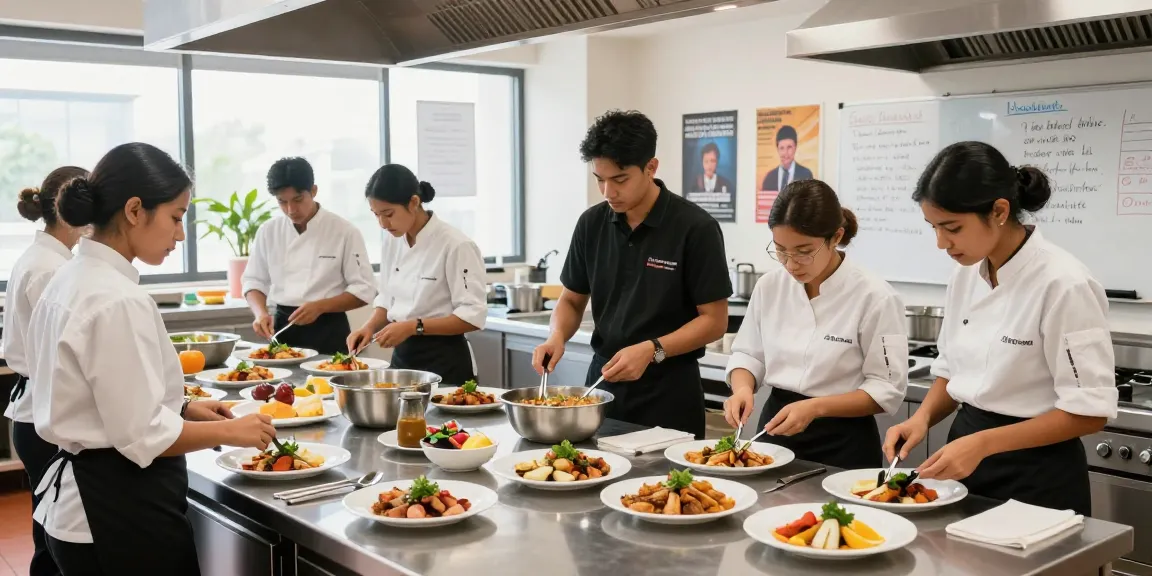
Culinary training is a cornerstone of hospitality education, and its relevance continues to grow. Practical skills development must include hands-on experiences in kitchen environments, emphasizing real-world applications of culinary techniques. Incorporating competitions, internships, and partnerships with local businesses can provide invaluable experience for aspiring chefs and hospitality professionals.
Embracing Technology in Learning Environments
Technology is reshaping the landscape of hospitality training. Incorporating virtual reality (VR) and augmented reality (AR) into training programs allows students to practice skills in controlled, risk-free environments. Additionally, e-learning platforms enable flexible, self-paced learning, making training accessible to a broader audience.
Fostering Team Collaboration and Communication
Team collaboration and communication are essential in hospitality settings. Training programs should include group projects, role-playing scenarios, and team-building exercises to nurture these skills. Encouraging an environment where feedback is openly shared will also improve service quality and employee satisfaction.
Challenges in Implementing the Playbook
Identifying Common Obstacles in Workforce Training
Implementing the Hospitality Workforce Playbook 2026 is not without its challenges. Common obstacles include resistance to new training methods, limited resources, and a lack of understanding of the value of continuous employee development. Identifying these barriers is the first step toward creating strategies to overcome them.
Overcoming Resistance to Change
Resistance to change is a natural human reaction. To encourage buy-in from staff, it is crucial to communicate the benefits of the playbook effectively. This can be achieved through workshops, meetings, and demonstrations that illustrate how the changes will enhance both employee and guest experiences.
Balancing Traditional and Innovative Training Methods
While innovation is essential, it is equally important to maintain traditional training methods that have proven to be effective. Striking the right balance between innovation and established practices can provide a comprehensive approach to workforce development.
Measuring Success in Hospitality Training
Key Performance Indicators for Training Programs
Measuring the effectiveness of training programs is vital to ensure they meet their objectives. Key performance indicators (KPIs) may include employee retention rates, customer satisfaction scores, and the overall performance of hospitality services. Regular evaluations will help refine training programs and foster a culture of continuous improvement.
Real-World Applications and Case Studies
Integrating real-world applications into training allows students to understand the practical implications of their education. Case studies showcasing successful implementations of the playbook principles can provide inspiring examples for professionals aiming to enhance their training approaches.
Feedback Mechanisms to Enhance Training Quality
Establishing feedback channels is crucial in refining training programs. Regular surveys, focus groups, and one-on-one interviews with staff can yield insights that inform future iterations of training, ensuring it remains relevant and effective in a constantly changing environment.
Future Trends in Hospitality Workforce Development
Looking Ahead: Skills for the Next Generation
As we look to the future, specific skills will become increasingly important for hospitality professionals. Critical thinking, adaptability, and digital literacy will be essential as the industry continues to evolve. Training programs should incorporate these elements to prepare graduates adequately for the challenges ahead.
Adapting to Evolving Guest Expectations
Guest expectations are changing rapidly, fueled by technological advancements and shifting consumer behaviors. Training programs must be agile enough to adapt to these changes, incorporating feedback from guests into training curricula to ensure staff can meet or exceed expectations.
Preparing for Sustainability in Hospitality Training
Sustainability is a growing concern across all industries, including hospitality. Training programs that emphasize sustainable practices will not only appeal to environmentally conscious consumers but also equip staff with the knowledge to implement these practices effectively.
What are the key components of the Hospitality Workforce Playbook 2026?
The key components include comprehensive training frameworks, skill development initiatives, and strategies for embracing technological advancements within the hospitality workforce. By focusing on collaboration and continuous improvement, the playbook offers a holistic approach to addressing workforce challenges.
How can technology enhance hospitality training?
Technology can enhance hospitality training through immersive learning methods, such as virtual reality simulations, and through e-learning platforms that offer flexible learning schedules. These tools can provide employees with the resources they need to develop essential skills comfortably and effectively.
What challenges do educators face in the hospitality industry?
Educators in the hospitality industry often face challenges such as keeping curricula updated with industry trends, addressing diverse learning styles, and securing resources for hands-on training experiences. Overcoming these challenges requires collaboration with industry stakeholders and a commitment to continuous improvement.
How is customer service training evolving?
Customer service training is evolving by integrating technology, emphasizing emotional intelligence, and focusing on personalized guest interactions. Training must reflect current trends and prepare staff to engage with increasingly discerning guests effectively.
What skills will be crucial for hospitality professionals in 2026?
Crucial skills for hospitality professionals in 2026 will include technological proficiency, effective communication, adaptability, and a strong understanding of sustainability practices. Fostering these skills through targeted training programs will ensure that the workforce remains competitive and capable of meeting future challenges.